
This Breast Cancer Awareness Month, we're looking at the fascinating science connecting nutrition, cellular health, and the body's natural defense systems.
We often think about nutrition in terms of calories, protein, vitamins, and minerals.
But food also contains bioactive compounds capable of interacting with biological pathways involved in inflammation, detoxification, hormone metabolism, gene expression, and cellular health.
One receiving significant scientific attention is sulforaphane, a compound derived from glucoraphanin and found naturally in cruciferous vegetables such as broccoli, Brussels sprouts, cauliflower, cabbage, kale, and arugula.
Its potential role in breast health has become a particularly interesting area of research.
Why scientists are studying sulforaphane
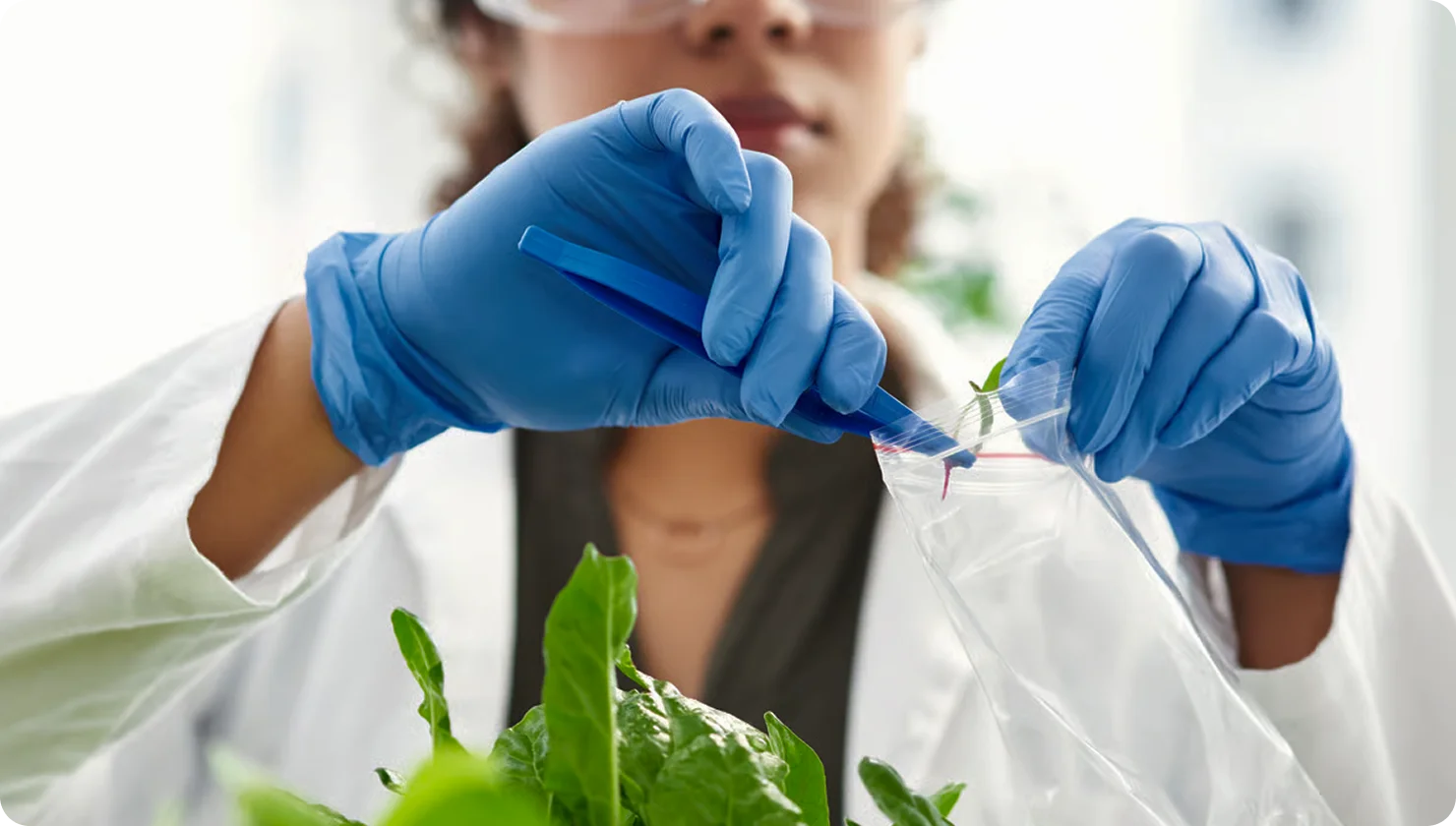
Sulforaphane is especially interesting because of the many biological pathways it may influence.
Research has explored its role in epigenetic regulation, meaning it can influence how certain genes are expressed without changing the underlying DNA itself, including pathways involved in cellular defense and tumor suppression.
Sulforaphane has also been studied for its ability to activate Phase II detoxification enzymes and antioxidant systems, which help the body process potentially harmful compounds.
For women, there is another compelling area of research: estrogen metabolism.
Cruciferous vegetables contain compounds that may help support pathways involved in how estrogen is metabolized. Researchers have studied Brassica vegetable consumption in relation to estrogen metabolite ratios and markers of oxidative stress.
Sulforaphane is also being investigated for its anti-inflammatory properties and its effects on cellular proliferation and programmed cell death in laboratory models, including breast cancer cells.
These findings do not mean eating broccoli prevents or treats breast cancer. Much of this research examines biological mechanisms or laboratory models.
But during Breast Cancer Awareness Month, the research offers an important reminder:
The everyday choices we make can interact with our biology in remarkably sophisticated ways.
Broccoli sprouts pack an especially powerful punch
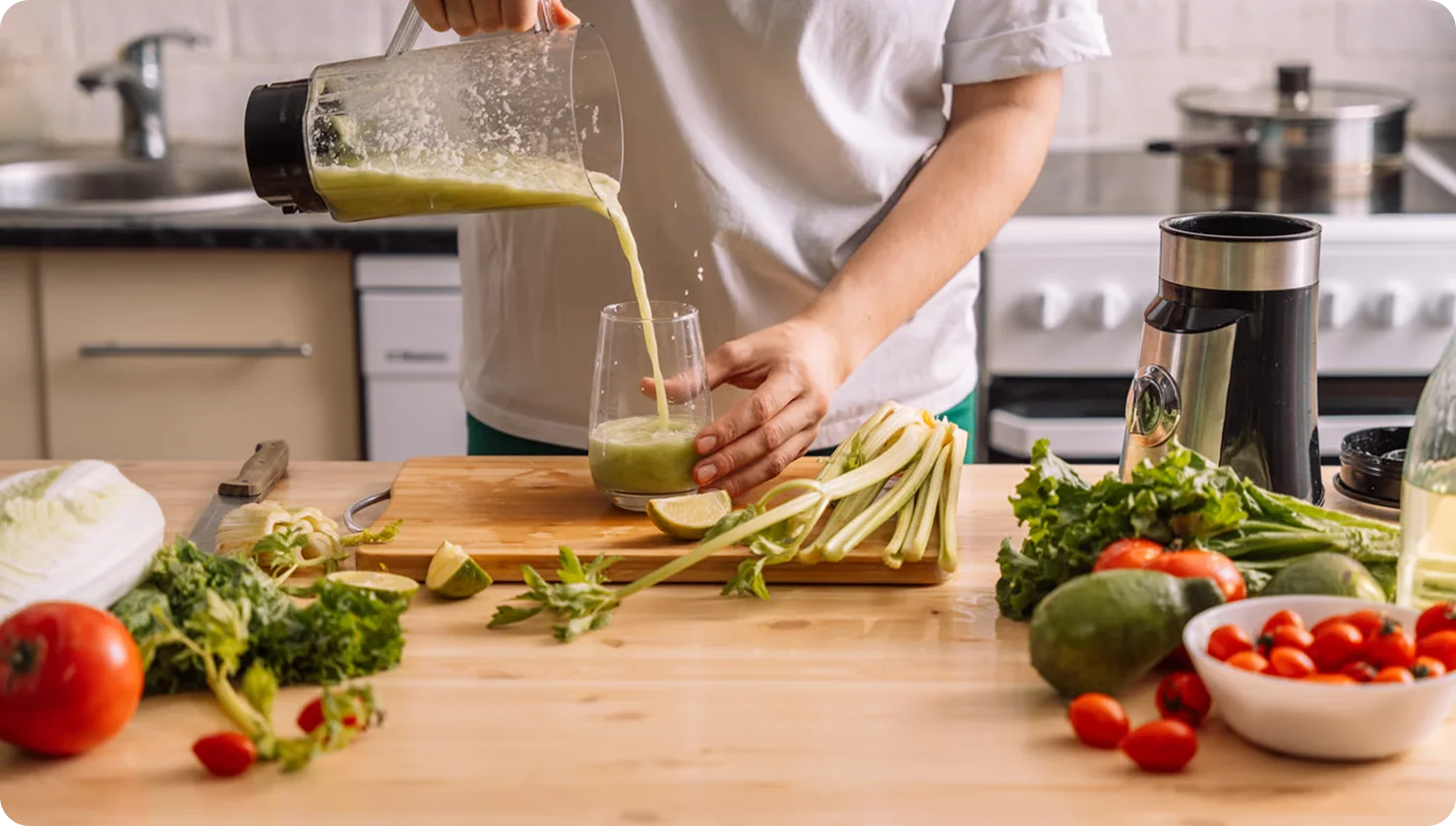
Not all cruciferous vegetables contain the same concentration of sulforaphane precursors.
Young broccoli sprouts can contain substantially higher concentrations of glucoraphanin than mature broccoli, making them an especially interesting dietary source.
Fortunately, incorporating them doesn't require completely changing how you eat.
Try adding broccoli sprouts to a salad, sandwich, wrap, eggs, or smoothie. Other cruciferous vegetables, including Brussels sprouts, broccoli, cauliflower, cabbage, kale, arugula, and radishes can help bring these compounds into your diet as well.
One important detail: preparation matters.

The enzyme myrosinase helps convert glucoraphanin into sulforaphane. High heat and overcooking can reduce myrosinase activity.
Eating cruciferous vegetables raw or lightly cooked can help preserve more of this natural chemistry.
Don't look for one "superfood"
The bigger lesson isn't that everyone should start eating enormous amounts of broccoli sprouts.It's that nutrition can become another tool for supporting the biological systems that influence long-term health.
A longevity-focused dietary pattern can include cruciferous vegetables, a wide variety of fruits and vegetables, legumes, whole grains, nuts, seeds, olive oil, ground flaxseed, and fatty fish rich in omega-3s.
The goal isn't perfection.It's giving your body better information, consistently.
Awareness should extend beyond October
Breast Cancer Awareness Month brings important attention to breast health, but understanding what's happening inside your body shouldn't be limited to one month of the year.
Nutrition is only one part of that picture.
Advanced diagnostics, personal biomarkers, metabolic health, hormone health, genetics, lifestyle, and medical history can provide a much deeper understanding of your individual health.
At Fountain Life, that understanding is where longevity begins: detect earlier, understand more, and use your data to make more informed decisions about your health.