The mind you'll need tomorrow is being built by what you eat today
Living longer is only part of the longevity equation. The greater goal is extending healthspan, the years you spend with the health, function, and vitality to continue doing what matters to you.
Nutrition can play an important role in that trajectory.
A 2026 review examined the relationship between plant-based functional foods and healthy aging, highlighting how naturally occurring bioactive compounds may influence inflammation, oxidative stress, cellular function, metabolic health, and pathways associated with aging.
The emerging picture is an important one: food does more than provide energy. It delivers biological signals that can interact with your body at the cellular level.
What makes a food “functional”?

Functional foods provide benefits beyond their basic nutritional value because they contain naturally occurring compounds that interact with biological processes throughout the body. Plant-based functional foods include familiar choices such as:
- Berries, grapes, and colorful fruits
- Leafy greens and cruciferous vegetables
- Whole grains and legumes
- Nuts and seeds
- Herbs and spices such as turmeric, ginger, and garlic
- Green tea
- Fermented plant foods
Within these foods are thousands of naturally occurring compounds. Researchers are increasingly studying how several key categories may contribute to healthier aging.
Polyphenols: Supporting the body’s longevity pathways

Berries, tea, dark chocolate, grapes, onions, apples, leafy greens, and turmeric are all sources of different polyphenols.
These compounds have attracted significant attention for their antioxidant and anti-inflammatory properties and their potential influence on cellular pathways associated with aging.
One example is resveratrol, found naturally in grapes, berries, and peanuts. Research has investigated its ability to activate SIRT1, a protein associated with metabolic regulation, mitochondrial function, and cellular stress responses.
Other polyphenols include anthocyanins found in blueberries and blackberries, quercetin found in onions and apples, and curcumin found in turmeric.
Together, they demonstrate why dietary variety matters. Different foods provide different compounds and potentially different biological benefits.
Carotenoids: Color with a purpose

The deep reds, oranges, yellows, and greens found throughout the produce aisle aren't simply visual.
Carotenoids are pigments found in foods such as carrots, sweet potatoes, tomatoes, watermelon, spinach, and kale. They act as antioxidants and are studied for their roles in eye health, immune function, cardiovascular health, and cellular protection.
There is also a simple way to improve how your body accesses them: pair carotenoid-rich foods with healthy fats.
Adding olive oil to leafy greens, avocado alongside tomatoes, or nuts and seeds to a colorful salad may improve absorption because carotenoids are fat-soluble.
Cruciferous vegetables and cellular defense
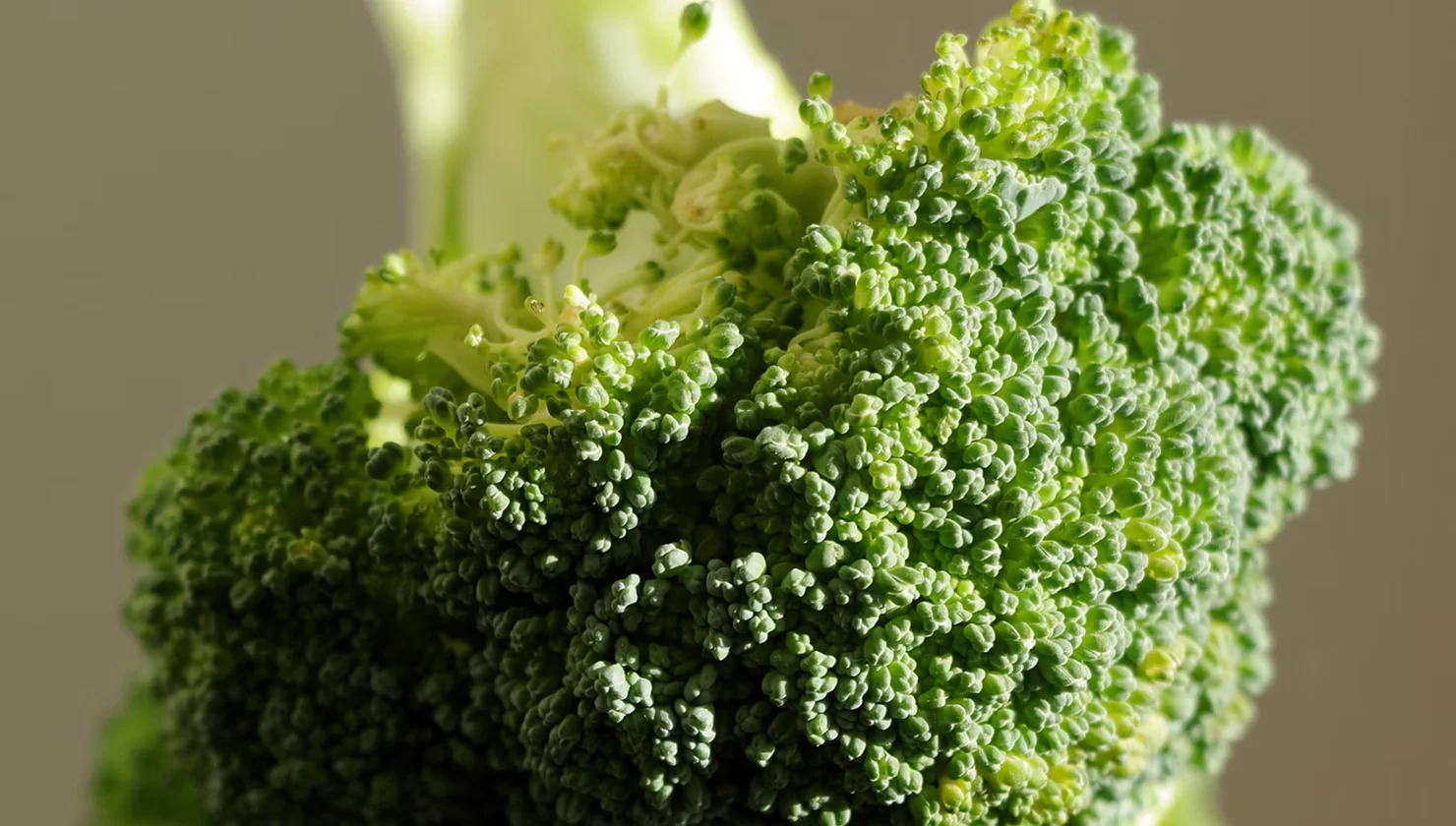
Broccoli, brussels sprouts, kale, cabbage, cauliflower, bok choy, arugula, and other cruciferous vegetables contain compounds known as glucosinolates.
These sulfur-containing compounds are being studied for their roles in cellular defense processes, inflammation, detoxification enzymes, and protection against cellular damage.
Preparation can matter, too. Raw or lightly cooked cruciferous vegetables may preserve more of the enzymes involved in producing beneficial glucosinolate-derived compounds than prolonged high-heat cooking.
It's another reminder that nutrition isn't only about what you eat. How food is prepared can influence what your body receives from it.
Your gut microbiome belongs in the longevity conversation
One of the most important relationships between nutrition and long-term health may be happening inside your gut.
Fiber and prebiotic compounds found in whole grains, legumes, vegetables, fruits, nuts, and seeds provide nourishment for beneficial gut microbes.
Those microbes, in turn, can produce metabolites such as short-chain fatty acids that interact with immune, inflammatory, and metabolic processes throughout the body.
This is one reason dietary diversity matters.
Rather than searching for one perfect “superfood,” consuming a broad range of plant foods provides different types of fibers and bioactive compounds that can help support a more diverse nutritional environment.
Building a longevity-focused plate
The science may be complex, but applying it doesn't have to be.
One practical strategy is to focus on variety, color, and whole-food sources.
Consider regularly incorporating:
Berries and colorful fruits
Sources of polyphenols, anthocyanins, vitamins, and fiber.
Leafy greens
Rich in carotenoids, folate, and numerous plant compounds.
Cruciferous vegetables
Broccoli, Brussels sprouts, kale, cauliflower, cabbage, and similar vegetables provide glucosinolates and fiber.
Legumes
Beans, lentils, and chickpeas provide fiber, plant protein, and resistant starch.
Nuts and seeds
Walnuts, flaxseeds, chia seeds, and other varieties provide healthy fats, minerals, fiber, and plant-derived omega-3 fatty acids.
Herbs and spices
Ingredients such as turmeric, ginger, and garlic can add concentrated plant compounds while increasing flavor without relying heavily on salt or sugar.
Fermented foods
Foods such as kimchi, sauerkraut, tempeh, and miso can provide another dimension of dietary diversity.
Rather than treating these foods as individual longevity “hacks,” think of them as components of a broader nutritional pattern.
The next evolution: nutrition becomes personal
Knowing that certain foods are associated with health is useful.
Knowing what your body needs is far more powerful.
The future of nutrition is increasingly personalized, taking into account factors such as genetics, microbiome composition, metabolic health, biomarkers, lifestyle, and individual health goals.
Two people can eat similar diets and experience different metabolic responses. The optimal nutritional strategy for maintaining muscle, improving glucose regulation, supporting cardiovascular health, or changing body composition may not look exactly the same from one person to another.
That is where data can change the conversation.
From general nutrition advice to data-driven longevity
At Fountain Life, the goal isn't simply to tell you to eat more vegetables or follow the latest nutrition trend.
Advanced diagnostics can provide a deeper understanding of what's happening inside your body, helping identify opportunities to optimize metabolic health, cardiovascular health, body composition, inflammation, and other factors that contribute to your long-term health trajectory.
Combined with expert guidance and longitudinal tracking, those insights can help turn nutrition from general advice into a strategy informed by your biology.
Because optimizing longevity isn't about finding one miracle food.
It's about understanding your body, measuring what matters, and making informed choices that compound over time.
Discover what your data can reveal about your health and longevity.