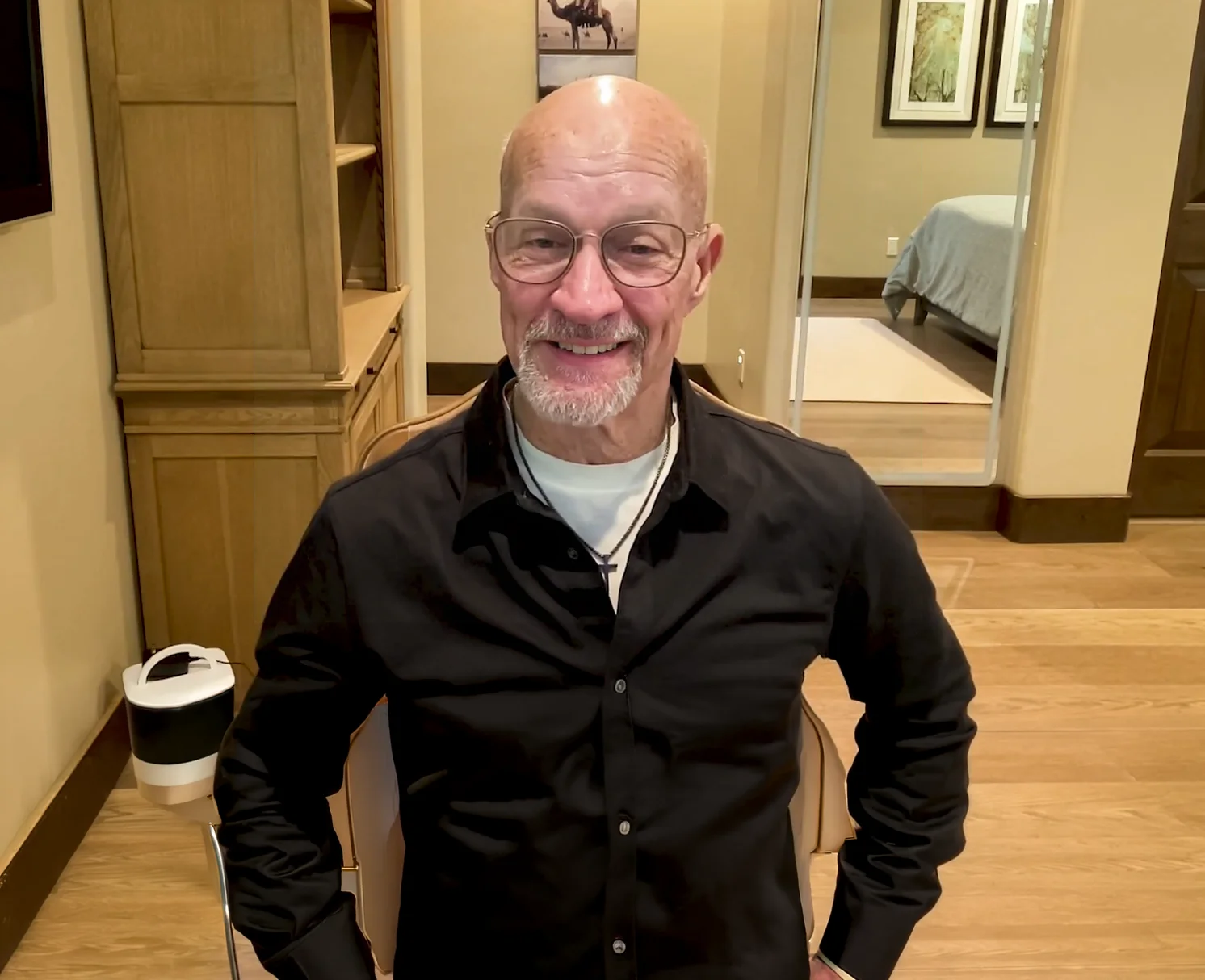
Richard Graham doesn’t describe himself as an inspiration. He describes himself as a work in progress. "Life is a challenge—and it’s fun," he says. "I want to conquer it somehow. But no one can do what I do. They have to study their own body."
At 79 years old, Richard is stronger than he was at 60. Clearer than he expected to be at this age. In many ways, he feels better than he did at 20. But his transformation didn’t happen because he found one perfect habit. It happened because he took a proactive decision to measure what he couldn’t feel, uncover what was silent, and build a precision plan around his biology. That decision was to join Fountain Life.
The wake-up call at 60
At 60, Richard had accomplished everything he set out to do. He had built a successful business. Traveled the world with his wife, Nancy. Raised a family. Checked off the bucket list.
He was also overweight, out of shape, and hadn’t exercised in 40 years. When he wondered what project to take on next, perhaps restore an old car or travel more, Nancy offered a different idea:
“Get off the couch and go fix an old human body instead.”
He laughed. Too late, he thought. But he started anyway. Slowly. A small shift in food. Light movement. No gym, he was too embarrassed. Over time, 60 pounds came off. Muscle returned. By 75, he was in better shape than he had been in decades.
Then his son invited him to CrossFit. Surrounded by 20- and 30-year-olds sprinting and jumping, Richard was out of breath. But something clicked. He wasn’t trying to compete with them, he was trying to stay connected.
“You are the average of your five closest friends,” he says. “So I decided I’d better choose wisely.”
The silent problems he couldn’t feel
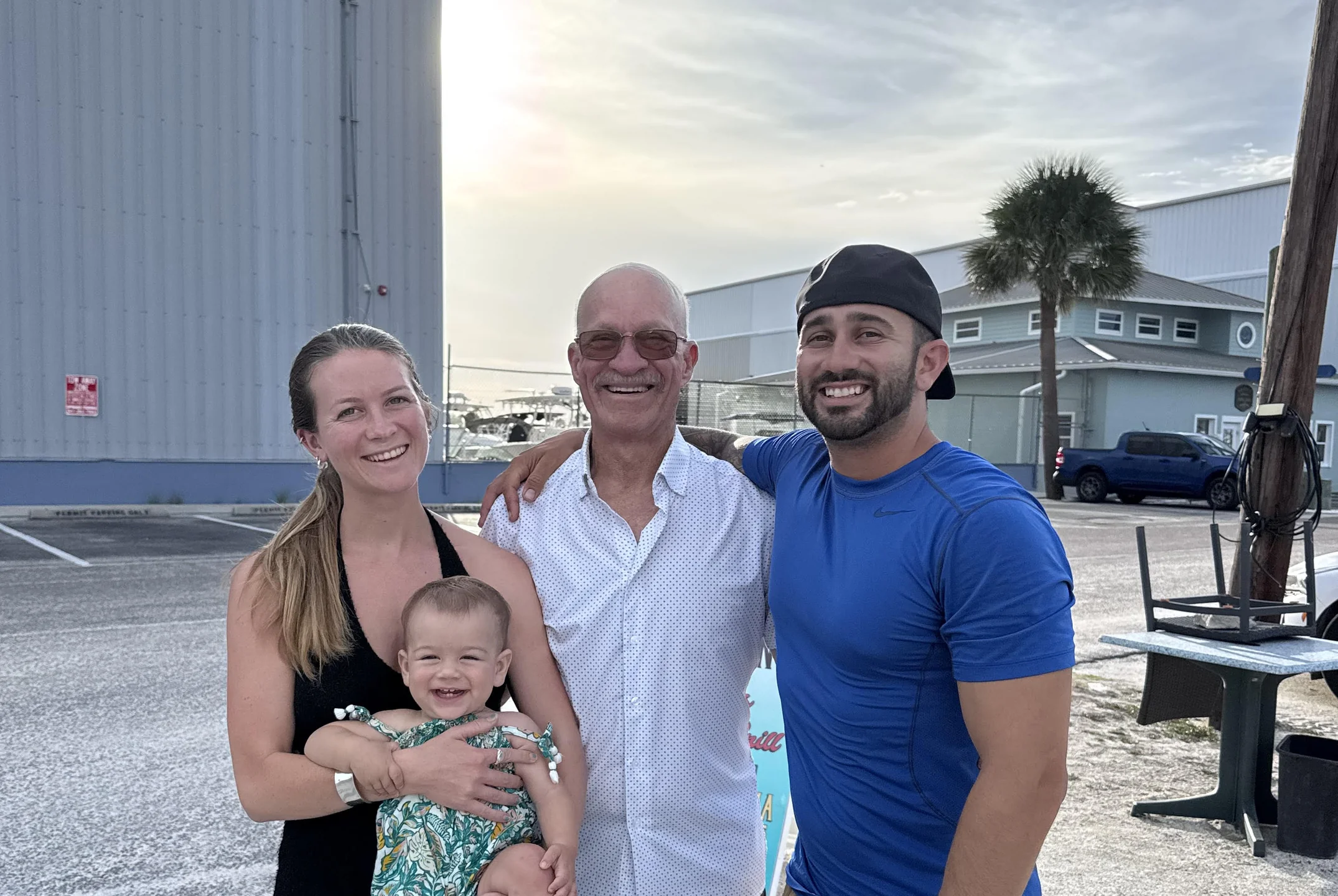
Richard believed he felt fine. But his data disagreed. He wore wearables. Tracked metrics. Studied the signals. And the signals pointed to things he couldn’t sense, or feel, on his own.
He didn’t feel atrial fibrillation, but his watch flagged an issue, and it was real.
He didn’t feel cognitive decline, but later testing later revealed mild cognitive impairment. He didn’t feel stress, but his data showed patterns he’d been living with for years.
That’s the trap. Many of the most serious issues are silent until they aren’t.
And that’s where Fountain Life changed everything, by taking what felt invisible and making it measurable.
“You don’t feel cognitive decline,” he says. “Somebody has to measure your body and tell you where you are.”
Why Fountain Life was the turning point
Richard didn’t come to Fountain Life for “wellness tips.” He came for clarity.
What he found was a level of comprehensive advanced diagnostics and ongoing precision medicine that matched how he thinks: measurable, iterative, personalized.
- Award-winning AI-Guided Diagnostics that uncovered what was happening beneath the surface
- A personalized, physician-led plan
- Regular re-testing that adjusted the strategy every few months
- Integration with wearables that made progress visible in real time
- The structure to act with confidence instead of guessing
“It’s not an average,” Richard says. “There’s no one pyramid. There’s only one, and it’s only for me.”
Instead of being told what to do in theory, he was shown what to do for his biomarkers, his inflammation, his sleep patterns, his metabolism, his brain performance.
And then he did the work, because he could finally see the score.
When the data started to move
Fountain Life didn’t just identify risk, it created a pathway to reverse it.
Over time, Richard’s plan included breakthrough therapies and protocols designed around his specific needs, including therapeutic plasma exchange as part of his cognitive protocol. He describes the improvement as gradual, but undeniable.
He watched his cognitive performance climb to 29 out of 30 on assessment, high performance at any age.
He noticed a return of clarity. He stopped feeling like decline was “normal.”
And then other changes followed:
- Sleep apnea resolved, he no longer needed his CPAP
- Pre-diabetes reversed
- Metabolic markers improved
- Bone density began improving
- Knee pain decreased dramatically after advanced interventions, giving him movement back
- Atrial fibrillation was addressed, because it was detected early
He didn’t just slow decline. He started moving his health in the opposite direction.
Precision creates momentum
Richard is quick to clarify: this wasn’t about willpower alone. It was about having the right inputs and the right feedback loop.
Fountain Life gave him recurring diagnostics and clear targets. His wearables gave him daily signals. And together, they created something he’d never had before in traditional healthcare:
Diagnostic insights and optimized health plans that respond to reality.
If recovery dipped, he adjusted training. If sleep wasn’t restorative, he changed the day.If inflammation markers shifted, nutrition shifted. If glucose patterns changed, food changed.
That’s why he calls it “Medicine 4.0”, a move from delayed, reactive care to continuous, personalized optimization.
“Just because I work out today,” he says, “doesn’t mean tomorrow should look the same. Now I can see what my body actually needs.”
The work: Showing up every day
Richard still believes the hardest part of exercise is “going through the door.”
But today he trains with purpose, because he’s not guessing. He’s building outcomes:
- Sprinting (“Most people over 30 never sprint again.”)
- Jump rope and box jumps to stimulate bone density
- Deep squats inspired by watching his grandchildren move naturally
- Strength training heavy enough to challenge muscle and bone
- Standing more, sitting less, changing the default of daily life
He built a full gym in his backyard, partly as a training space, but mostly as a magnet for what matters most.
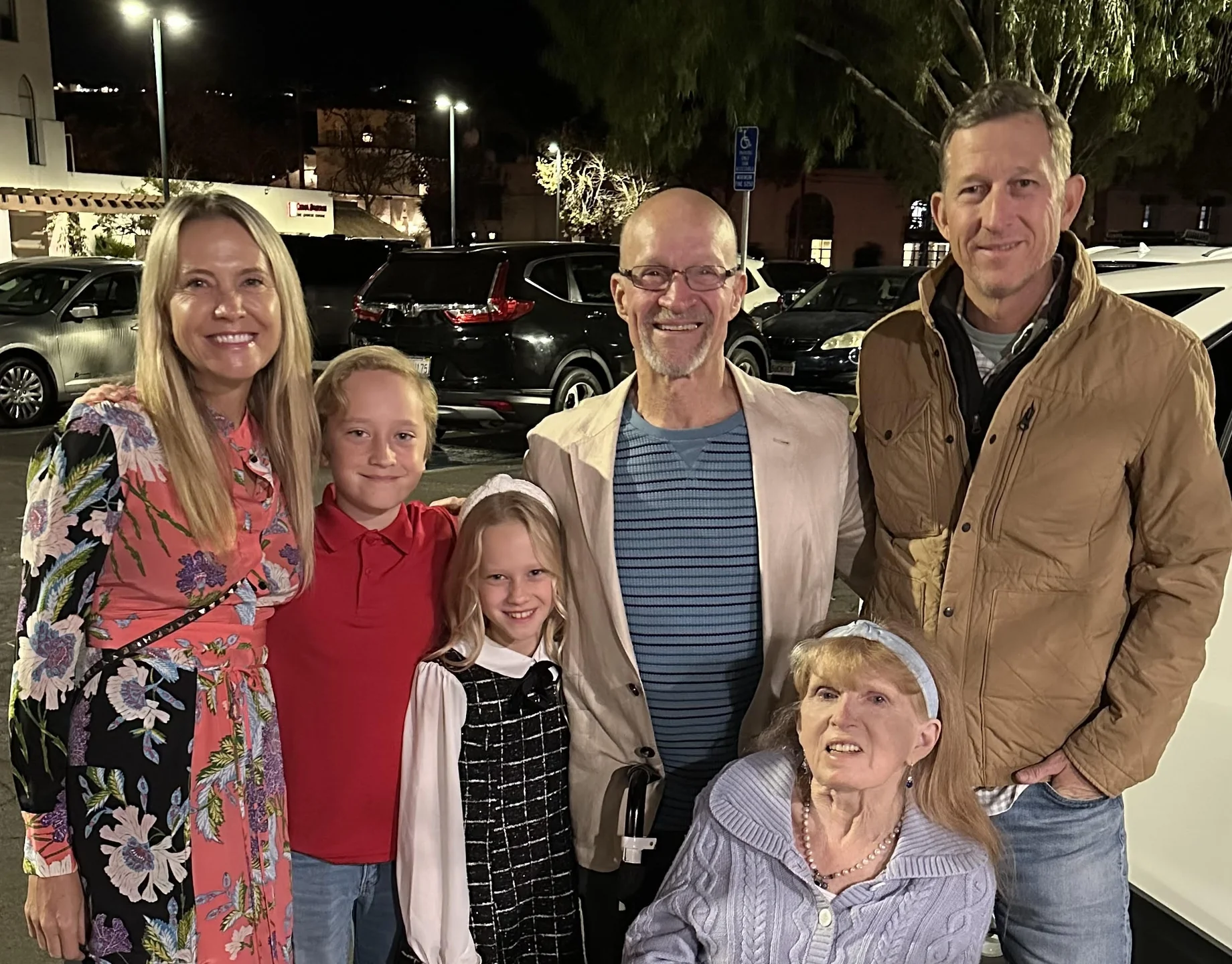
“I’ve got great-grandchildren now,” he says. “That’s my motivation. I just love working out with them.”
Grief, gratitude, and a new kind of strength
Last year, Richard lost Nancy after 56 years of marriage and a decade of Parkinson’s.
He speaks about her with honesty and peace: the struggle, the love, the blessing of relief. And he credits that season as part of why his health journey became more serious, and more meaningful.
It was also when Fountain Life encouraged him to address something he didn’t know how to measure: grief and stress.
Meditation became part of his plan. At first it felt “silly.” Then it started working. “For the first time in my life,” he says, “I pause. I’m grateful. I say thank you.”
Fuel, not food
Nutrition was his toughest change. But Fountain Life made it tangible, through gut microbiome insights, inflammation patterns, toxin screening, and metabolic data that turned food from a moral debate into a strategy.
“It gives me a menu,” Richard says. “And it says, start cooking this.”
He reframed it simply: “My ancestors didn’t choose food. They ate fuel.” Now he’s taking cooking classes, learning to make what supports his biomarkers taste good, because the results are worth it. And he’s still evolving.
“I need you guys for another five years to get that one perfect,” he laughs. “But I got rid of the pre-diabetes. That’s a blessing.”
Turning progress into community
Fountain Life didn’t just change Richard’s numbers. It changed his standards, and his entourage.
Inspired by the member stories he saw, Richard began gathering people in person: small breakfasts, real conversations, friends who want to get better together. “Communication is better in the same room drinking coffee,” he says. “We can interrupt each other. Learn faster.”
His goal is simple: surround himself with people who make growth normal. Because, as he puts it, “you are the average of your five closest friends.”
Passion Is the point
At nearly 80, Richard says he has never been more passionate, not about business, not about achievement, but about his health. “For 60 years, everything else was top of mind,” he says. “Now it’s my health.” He doesn’t claim perfection. He still makes mistakes. Still experiments. Still learns. But today he’s stronger. Clearer. More connected. More grateful. And perhaps most remarkably, he feels younger.
Because Fountain Life gave him a complete picture of his health, helped him act early, and build a precision plan that actually moved the data. “I don’t want to be an advertisement,” Richard says. “But this is personal. And it’s working.”