%201_85.webp)
Three of the most important pathways are:
1. Neuroinflammation

Your health is not shaped by a single moment. It is built through the signals your body receives every day.
Two of the most powerful, and often overlooked, inputs are your environment and your stress.
What you are exposed to. What you absorb. How your body responds.
These inputs influence inflammation, metabolism, immune function, and how well your body repairs and recovers. The question is not whether these factors are impacting you. It is whether they are working in your favor or quietly accelerating decline.
How Diet Influences Neuroinflammation
Certain dietary patterns can promote inflammation within the brain.
Pro-Inflammatory Dietary Patterns
- Refined carbohydrates and added sugars can contribute to glucose spikes and insulin resistance.
- Processed meats contain advanced glycation end products (AGEs), which are associated with inflammatory processes.
- Trans fats and excessive omega-6 fatty acids can promote inflammatory cascades.
- High-glycemic foods can trigger the production of inflammatory cytokines.
Anti-Inflammatory Dietary Strategies
Omega-3 Fatty Acids (EPA and DHA)
Omega-3 fatty acids help reduce neuroinflammation and support neuronal health.
Sources: Fatty fish such as salmon and mackerel, as well as high-quality fish oil supplements.
Research has also linked regular consumption of fatty fish with a lower risk of congestive heart failure, coronary heart disease, sudden cardiac death, and stroke.
Polyphenols and Antioxidants
Found in berries, leafy greens, olive oil, and green tea, these compounds exert anti-inflammatory effects on brain tissue. Many can cross the blood-brain barrier, helping protect neurons from damage.
2. Oxidative Stress in the Brain

Oxidative stress occurs when the production of highly reactive free radicals exceeds the brain's natural antioxidant defenses.
The brain is particularly susceptible to oxidative damage because of its substantial oxygen requirements, high concentration of easily oxidized polyunsaturated fats, and the continuous production of oxidative byproducts generated during energy metabolism.
Over time, excessive oxidative stress can contribute to cellular damage, impaired brain function, and accelerated cognitive aging.
The Brain's Nutritional Antioxidant Defense System
Vitamin E (Tocopherols)
Vitamin E helps protect cell membranes from lipid peroxidation.
Sources: Nuts, seeds, olive oil, and avocados.
Vitamin C (Ascorbic Acid)
Vitamin C is a water-soluble antioxidant that helps regenerate vitamin E and supports the integrity of the blood-brain barrier.
Sources: Citrus fruits, berries, bell peppers, and leafy greens.
Carotenoids (Beta-Carotene and Lutein)
These fat-soluble antioxidants help protect tissues from oxidative damage.
Sources: Colorful vegetables, winter squash, carrots, and dark leafy greens.
CoQ10
CoQ10 plays a critical role in mitochondrial energy production while helping neutralize free radicals and protect against mitochondrial oxidative stress.
Sources: Organ meats, fatty fish, poultry, sesame seeds, pistachios, cruciferous vegetables, and strawberries.
3. Vascular Health and Cerebral Blood Flow

Your brain depends on constant, robust blood flow to function optimally.
More than 1,000 liters of blood circulate through the brain each day, delivering oxygen and glucose—the brain's primary fuel sources. Adequate circulation is also essential for removing metabolic waste products and maintaining the integrity of the blood-brain barrier.
Why Cerebral Blood Flow Matters
When blood flow is compromised, the consequences can be significant.
Insufficient circulation can:
- Reduce the delivery of oxygen and glucose to brain tissue
- Impair the removal of waste products, including amyloid and tau proteins
- Weaken the blood-brain barrier
- Contribute to "silent" mini-strokes
- Accelerate progressive cognitive decline
The endothelial lining of blood vessels can be damaged by chronic inflammation, oxidative stress, high blood pressure, insulin resistance, and elevated homocysteine levels.
Nutrition for Optimal Cerebrovascular Health
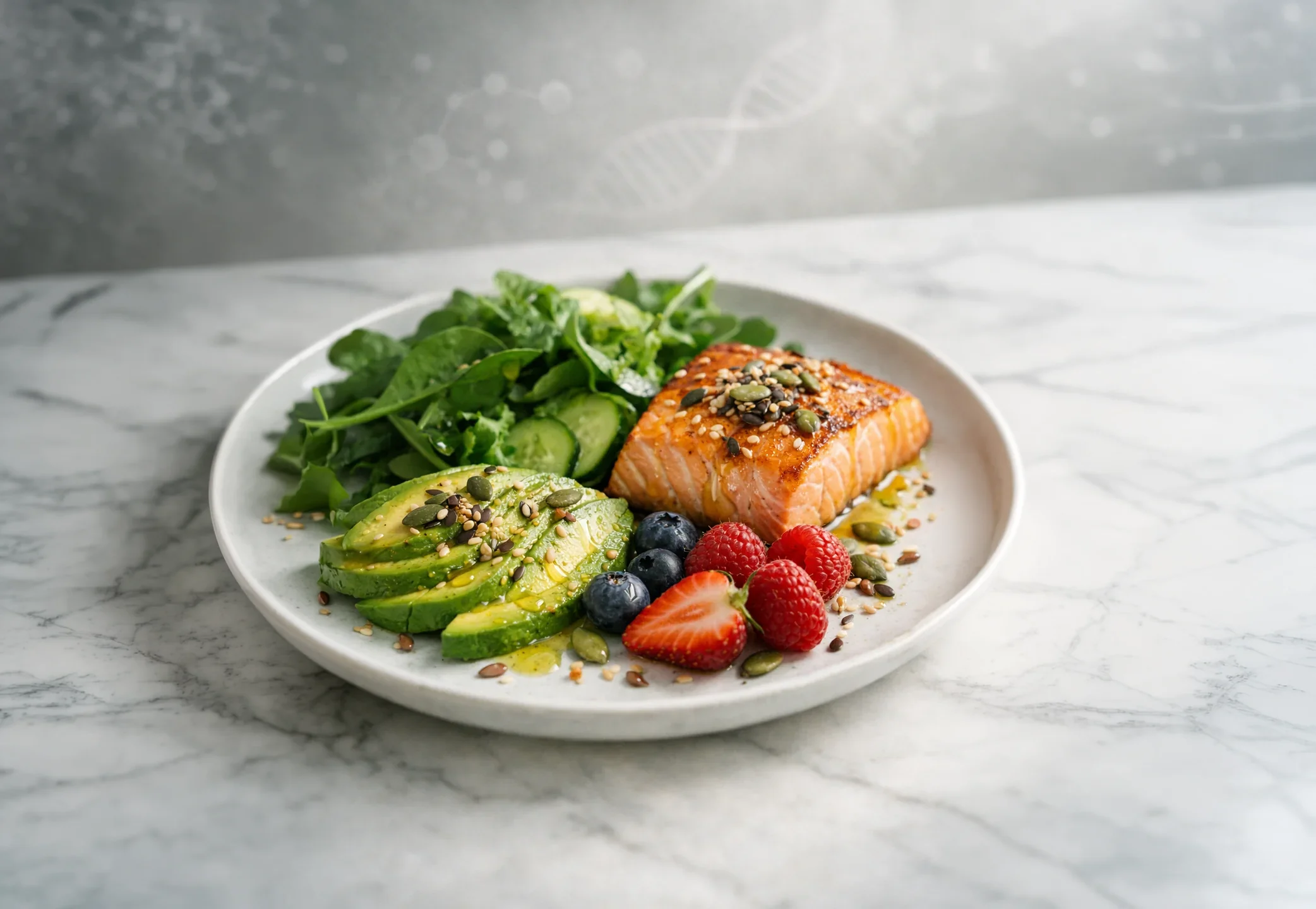
Omega-3 Fatty Acids
Omega-3s support endothelial function, reduce arterial stiffness, improve circulation, and exert powerful anti-inflammatory effects throughout the vascular system.
Sources: Wild-caught salmon and other fatty fish.
Magnesium
Magnesium acts as a natural vasodilator, helping blood vessels relax and supporting healthy blood pressure.
Vitamin K2
Vitamin K2 supports vascular integrity by helping direct calcium into bones and away from arterial walls, helping prevent arterial calcification.
B Vitamins (B6, B12, and Folate)
These vitamins play a central role in homocysteine metabolism. Elevated homocysteine is an independent risk factor for stroke, vascular damage, and progressive cognitive decline.
Nitrate-Rich Foods
Foods such as beets, arugula, and leafy greens provide natural nitrates that are converted into nitric oxide. This process promotes vasodilation, improves cerebral blood flow, and helps lower blood pressure.
Polyphenols (Flavonoids)
Found in berries, cocoa, and green tea, flavonoids enhance nitric oxide production, improve endothelial function, and help protect against arterial stiffness.
Fiber and Whole Foods
A diet rich in whole-food fiber supports healthy cholesterol levels and helps reduce plaque formation. Fiber also improves insulin sensitivity and nourishes beneficial gut bacteria that produce metabolites associated with muscle and metabolic health.
Secure Your Cognitive Future with Precision Testing

Nutrition directly influences brain health through its effects on neuroinflammation, oxidative stress, and vascular integrity. Yet nutrition is rarely one-size-fits-all.
Your genetics, metabolic health, nutrient status, and underlying biochemistry all influence how your brain functions today—and how it may age over time.
Fountain Life's comprehensive assessment replaces guesswork with advanced biomarker testing that evaluates key drivers of cognitive health, including inflammation, oxidative stress, vascular function, and nutrient status.
The result is a personalized, data-driven strategy designed to help protect cognitive function, optimize brain performance, and support long-term brain health.
Your brain deserves more than generic recommendations. It deserves a precision approach grounded in data, designed to help you remain mentally sharp and cognitively resilient for decades to come.