

Advanced hormone therapy for women

Restore function, improve symptoms, and protect long-term health
Fountain Life offers a precision approach to women’s hormone therapy focused on restoring vitality, cognition, balance, and long-term wellbeing. Through award-winning, AI-guided diagnostics, comprehensive endocrine profiling, and peptide analysis, we can identify early dysfunction and create personalized plans designed to optimize how women feel, function, and age.

What is hormone therapy for women?

Hormone therapy for women is a medical treatment used to restore hormonal function when symptoms, laboratory findings, and a woman’s stage of life indicate that treatment may be beneficial.

It is most commonly used during perimenopause and menopause, when estrogen and progesterone production begin to fluctuate and decline. However, women at other stages of life may also benefit from a careful hormone evaluation when symptoms or medical conditions suggest an underlying endocrine problem.

A comprehensive evaluation may include:

  • Estrogen levels and estrogen metabolism
  • Progesterone
  • Testosterone and free testosterone
  • Thyroid function
  • Insulin sensitivity and metabolic markers
  • Cortisol when clinically appropriate
  • Inflammatory markers
  • Bone health
  • Body composition
  • Cardiovascular risk factors

Hormone levels are only one part of the picture. Symptoms, menstrual history, sleep quality, medications, metabolic health, family history, and individual risk factors all influence whether hormone therapy is appropriate.

What causes hormone changes in women?

Peri-menopause and menopause

During perimenopause, estrogen and progesterone may fluctuate dramatically before they ultimately decline. These changes can affect sleep, mood, temperature regulation, cognition, menstrual cycles, body composition, bone turnover, and cardiovascular health.

Thyroid dysfunction

Thyroid hormones help regulate energy production, metabolism, body temperature, mood, and cognitive function. Thyroid dysfunction may cause fatigue, weight changes, hair loss, poor concentration, menstrual changes, and sleep disruption.

Chronic stress

Long-term stress can alter cortisol rhythms, disrupt sleep, impair recovery, worsen insulin resistance, and influence reproductive hormone signaling.

Metabolic dysfunction

Insulin resistance, loss of muscle mass, increasing visceral fat, and inflammation can amplify hormone-related symptoms and make weight management more difficult.

Sleep disruption

Poor sleep affects cortisol, appetite regulation, insulin sensitivity, mood, cognition, and recovery. It may be both a symptom of hormonal change and a driver of worsening metabolic health.

Medications, illness, and lifestyle factors

Certain medications, chronic illness, undernutrition, excessive exercise, alcohol use, and environmental exposures may also influence hormone production and signaling.

Symptoms that may lead women to consider hormone therapy

Women experience hormonal change differently. Some primarily notice hot flashes, while others struggle more with sleep, anxiety, brain fog, weight gain, or loss of sexual wellness.

Common symptoms include:

  • Hot flashes
  • Night sweats
  • Poor sleep
  • Brain fog
  • Memory changes
  • Fatigue
  • Mood changes
  • Anxiety or irritability
  • Irregular menstrual cycles
  • Heavy or prolonged bleeding
  • Weight gain
  • Increasing abdominal fat
  • Loss of muscle strength
  • Joint discomfort
  • Reduced libido
  • Vaginal dryness
  • Pain with intercourse
  • Urinary symptoms
  • Reduced exercise recovery

These symptoms often occur together because hormones influence multiple organ systems at the same time. The goal of evaluation is to understand which symptoms are hormone-related and which may have additional causes.

What Fountain Life Members can expect

Early detection with Advanced Diagnostics and AI-Guided analysis

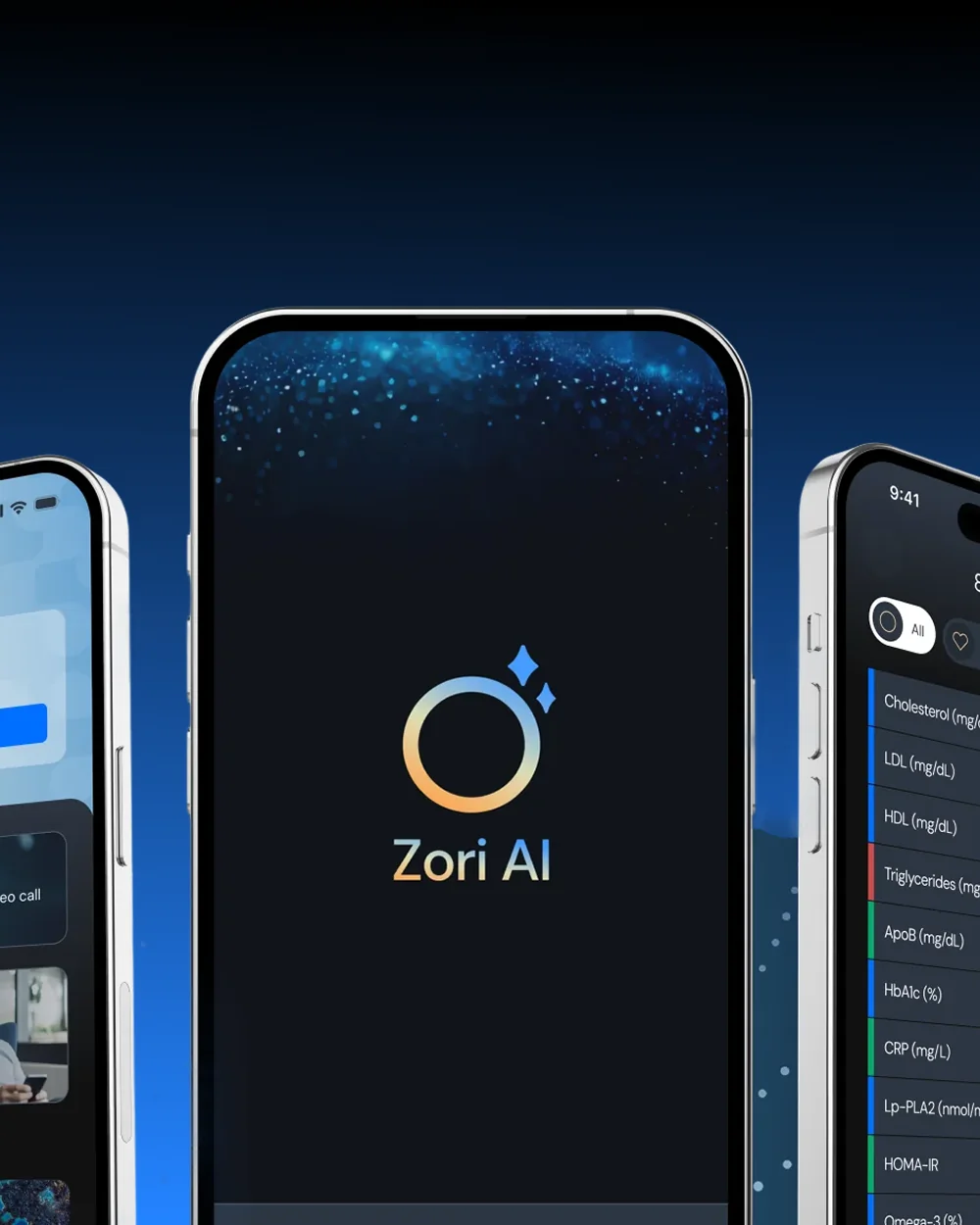
Our physicians combine comprehensive laboratory testing, imaging, body composition analysis, and advanced diagnostics with Zori™, our proprietary AI medical platform. Using up to 150GB of each member’s health data together with more than 15 billion longitudinal clinical data points, we identify patterns that help personalize treatment recommendations while supporting earlier intervention and ongoing optimization

Comprehensive hormone and health assessment

Our physicians evaluate estrogen, progesterone, testosterone, thyroid function, metabolic health, body composition, bone health, cardiovascular risk, sleep, and other relevant biomarkers. This broader assessment helps determine whether symptoms are primarily hormonal or part of a larger physiologic pattern.

Personalized Restorative Therapeutics

No two women experience hormonal change in exactly the same way. Treatment is customized to the individual’s symptoms, medical history, laboratory findings, risk factors, goals, and stage of life. Recommendations may include hormone therapy, thyroid treatment, metabolic optimization, nutrition, resistance training, sleep strategies, bone protection, or other targeted interventions.

Ongoing care with Zori™ and the Always-On Care team

Hormonal needs may change over time. Fountain Life tracks symptoms, biomarkers, and treatment response against each woman’s health baseline. Zori™, together with physician oversight and the Always-On Care team, helps organize ongoing data and support treatment adjustments as physiology changes.

Potential benefits of hormone therapy for women

For appropriately selected women, hormone therapy can provide meaningful relief from disruptive symptoms and support several areas of long-term health.

Relief from menopausal symptoms

Hormone therapy is highly effective for hot flashes and night sweats and may also improve sleep disruption related to vasomotor symptoms.

Better sleep and recovery

Estrogen and progesterone influence temperature regulation, sleep architecture, mood, and nervous system function. Restoring hormonal balance may improve sleep quality and help women feel more restored during the day.

Improved brain function and emotional stability

Many women describe brain fog, reduced concentration, irritability, or feeling unlike themselves during perimenopause and menopause. Hormone therapy may improve some of these symptoms, particularly when sleep disruption and vasomotor symptoms are also addressed.

Support for bone health

Estrogen plays an important role in regulating bone turnover. As estrogen declines, bone loss can accelerate. Hormone therapy may help preserve bone density and reduce menopause-related bone loss in appropriate candidates.

Sexual and genitourinary health

Hormonal changes can contribute to vaginal dryness, painful intercourse, urinary symptoms, and reduced sexual comfort. Systemic or local hormone therapy may improve these symptoms, depending on the individual situation.

Muscle, metabolism, and body composition

Hormone therapy is not a weight-loss treatment, but hormonal health influences muscle maintenance, insulin sensitivity, fat distribution, sleep, and exercise recovery. Treatment works best when combined with resistance training, adequate protein, metabolic optimization, and healthy nutrition.

Long-term health and function

The purpose of treatment is not simply to reduce symptoms. It is to help women preserve brain function, bone strength, muscle, cardiovascular health, metabolic resilience, and quality of life as they age.

Is hormone therapy right for every woman?

Hormone therapy can be extremely beneficial for many women, but treatment should always be individualized.

The decision depends on:

Symptoms
Age
Bone health
Liver health
Time since menopause
Menstrual and reproductive history
Breast and gynecologic risk factors
Cardiovascular and clotting risk
Personal and family medical history
Treatment goals
The type, dose, and route of therapy being considered

Explore hormone optimization for women

You do not need to accept poor sleep, hot flashes, brain fog, declining strength, fatigue, or changes in sexual health as inevitable. Understanding why these symptoms are occurring is the first step toward choosing the right treatment.

Meet our Members

Portrait of a woman with long wavy brown hair, wearing a dark jacket, against a softly blurred indoor background with a lamp and framed picture.

Stefana Muller

Fountain Life Member
“After years of misdiagnosis and mistreatment, Fountain Life gave me my life back.”

David Pillsbury

Fountain Life Member
CEO
“Fountain Life caught a hidden cardiac risk and helped reverse it before crisis.”
A man with a beard in a navy shirt and a woman with long blonde hair in a green sweater sitting together indoors.

Chris Botting

Fountain Life Member
“It was the gift of life - Fountain Life found my kidney cancer before I had a single symptom.”
Middle-aged man with glasses and a gray beard wearing a black shirt, seated indoors with a blurred background.

Jack Holcomb

Fountain Life Member
“I thought I was healthy, but Fountain Life found cancer and saved my life.”
Bearded man in a purple checkered shirt looking slightly to the side against a neutral background.

Mike Bogda

Fountain Life Member
“Fountain Life is one of the best investments we’ve ever made.”
Elderly bald man wearing glasses and a green buttoned t-shirt sitting outdoors with greenery in the background.

Richard Graham

Fountain Life Member
“In my case, there was about six issues all in stage one. In fact, in two years, we have reversed a lot of the age clocks.”

Paul Goelzer

Fountain Life Member
“Catching prostate cancer early changed everything, Fountain Life helped me choose the right treatment, stay healthy, and keep living fully.”

Steve Ogier

Fountain Life Member
“Fountain Life gave me the truth about my health, helped me make better choices, and now I feel better than before I started.”

Jennifer Botting

Fountain Life Member
“Tomorrow isn’t promised, and time is a thief, but Fountain Life gave me answers, strength, and more hope for a longer, healthier life.”
Houston Chronicle Logo

Frequently asked questions

Is hormone therapy only for menopause?

No. Hormone therapy is most commonly used during perimenopause and menopause, but women at other stages of life may require hormone evaluation for thyroid disease, ovarian dysfunction, surgical menopause, reproductive conditions, or other endocrine concerns. Treatment depends on the cause of the symptoms, not simply the woman’s age.

Can hormone therapy for women help with sleep and mood?

It can help in appropriately selected women. Estrogen and progesterone influence temperature regulation, sleep, neurotransmitters, and nervous system function. When poor sleep or mood changes are related to perimenopause or menopause, hormone therapy may provide meaningful improvement. However, thyroid dysfunction, stress, medications, sleep disorders, and mental health conditions may also contribute and should be evaluated.

How quickly can women feel results from hormone therapy?

Some symptoms, including hot flashes, night sweats, and sleep disruption, may begin improving within several weeks. Other changes, such as improvements in body composition, muscle function, sexual health, or metabolic health, may take longer and usually require additional lifestyle and therapeutic support. Response varies based on the hormones used, the dose, the route of therapy, and the individual patient.

What hormones are commonly used in women’s hormone therapy?

Treatment may include estrogen, progesterone, testosterone, thyroid hormone, or local vaginal estrogen, depending on the clinical situation. Not every woman needs every hormone. Treatment should be selected based on symptoms, physiology, medical history, and treatment goals.

Is hormone therapy safe?

Hormone therapy can be safe and beneficial for many women when it is prescribed for the right patient, at the right time, using an appropriate dose and route. Risk depends on age, time since menopause, medical history, cardiovascular risk, breast history, clotting risk, liver health, and the specific treatment used. These factors should be reviewed before therapy begins.

Does Fountain Life prescribe hormones automatically?

No. Hormone therapy is not the default treatment for every symptom or every patient. Fountain Life first evaluates the broader physiology. Hormone therapy may be included when it is clinically appropriate, but other interventions may be equally important, including sleep treatment, thyroid management, metabolic optimization, resistance training, nutrition, bone protection, or cardiovascular risk reduction.

How is Fountain Life different from a traditional HRT clinics?

Traditional HRT clinics often focus primarily on hormone prescriptions. Fountain Life takes a broader, physician-led approach by evaluating hormone health alongside metabolism, cardiovascular health, body composition, brain function, sleep, and overall longevity. Using advanced diagnostics, Zori™, and more than 15 billion longitudinal clinical data points, our physicians develop personalized treatment strategies designed to optimize health—not simply hormone levels.

Can hormone therapy support healthy aging?

Hormonal health influences many of the systems that determine how women age, including bone, muscle, brain function, sleep, metabolism, cardiovascular health, and body composition. When appropriately prescribed, hormone therapy may be an important component of a comprehensive healthy-aging strategy. It works best when integrated with exercise, nutrition, sleep, preventive screening, and ongoing medical care.