Why wearables aren’t enough

Surface-level data cannot replace clinical insight

Wearable health devices, such as smartwatches, health rings, and patches, have made health tracking more accessible, but they are fundamentally limited in what they can reveal. While they provide useful signals, they do not offer the depth required to understand, predict, or optimize health at a clinical level. Wearables primarily measure outputs such as heart rate, movement, and sleep patterns, but they do not assess the underlying biological systems that drive them. As a result, they can indicate that something is changing, but not why it is happening or whether it reflects meaningful changes in underlying biological systems or risk.
At Fountain Life, this gap is addressed through a scientific, data-driven approach drawn from 15+ billion clinical data points, the largest longitudinal dataset in the world. This, combined with imaging, biomarker analysis, and award-winning AI-Guided Diagnostics, generates clear, actionable insights that support measurable health and performance outcomes.

What wearables do well

Wearables are effective at capturing high-level behavioral data, including:
Daily activity and movement patterns
Heart rate trends
Sleep duration and consistency
This information can support awareness, but it does not explain why changes are happening. For example, a wearable may detect elevated heart rate variability or disrupted sleep, but it cannot determine whether the cause is metabolic inefficiencies, hormonal imbalance, cardiovascular strain, or early-stage disease.

What wearables cannot detect

Critical aspects of health remain invisible to consumer devices, including:
  • Early-stage cancer and internal abnormalities
  • Detailed cardiovascular risk factors
  • Metabolic inefficiencies and insulin resistance
  • Hormonal imbalances and inflammatory markers
Each of these systems is measured through AI-Guided Diagnostics and tracked over time, allowing for precise identification of where aging may be accelerating and where intervention can have the greatest impact, as each system directly influences how you age and how long you maintain peak performance.

The difference between tracking and understanding

Tracking generates data. Optimization requires interpretation.
Without clinical context:
Data may be incomplete or misleading
Underlying drivers remain unidentified
Decisions are based on assumptions rather than evidence

True optimization requires integrating multiple layers of data, including imaging, biomarkers, and physiological testing, to understand how systems are functioning together rather than in isolation.

At Fountain Life, this process is further supported by our award-winning Zori AI Medical Expert platform, which continuously analyzes your clinical and everyday health data, providing clear insights, personalized guidance, and immediate answers to the questions that matter most.

A more complete approach

Wearables are most effective when used alongside:

Clinical diagnostic testing

Modern CT scanner machine with illuminated circular gantry and patient table in a dimly lit room.

Comprehensive biomarker analysis

Close-up view of red blood cells flowing through a blood vessel.

Physician-led interpretation and guidance

At Fountain Life, this approach is powered by 150 GB of individual health data points generated from award-winning AI-Guided Diagnostics, which identify patterns, detect early risk, and provide a level of insight not achievable through wearable data alone.

When clinically indicated, this may also include physician-led Restorative Therapeutics, applied based on diagnostic findings to support targeted intervention and continuous optimization.

This combination transforms fragmented data into a comprehensive, actionable understanding of health.

Explore related areas

Performance health testing

Glowing blue digital outline of a human torso with highlighted organs and connecting circuit lines on a dark background.

Performance health optimization

Meet our Members

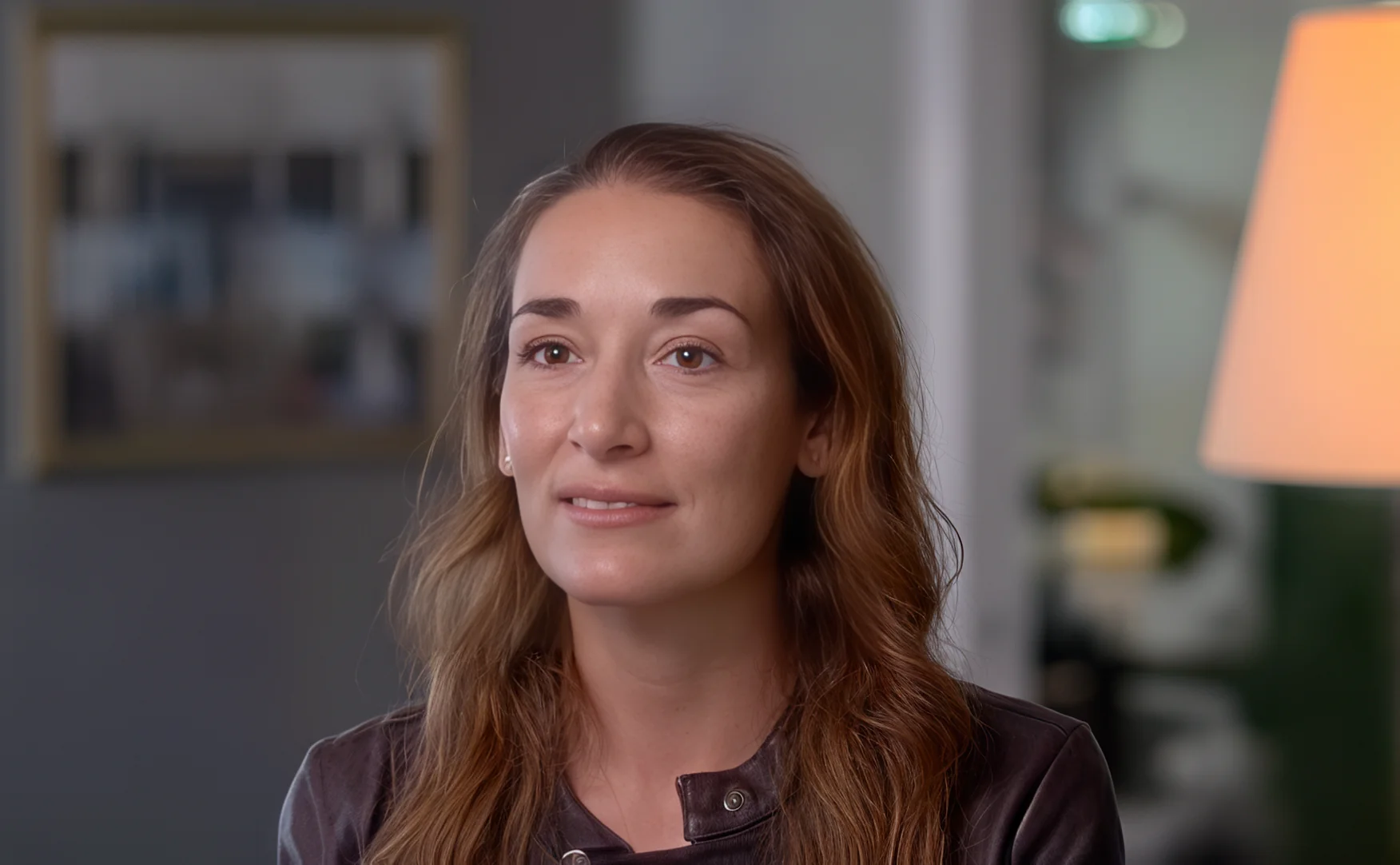
Portrait of a woman with long wavy brown hair, wearing a dark jacket, against a softly blurred indoor background with a lamp and framed picture.

Stefana Muller

Fountain Life Member
“After years of misdiagnosis and mistreatment, Fountain Life gave me my life back.”

David Pillsbury

Fountain Life Member
CEO
“Fountain Life caught a hidden cardiac risk and helped reverse it before crisis.”
A man with a beard in a navy shirt and a woman with long blonde hair in a green sweater sitting together indoors.

Chris Botting

Fountain Life Member
“It was the gift of life - Fountain Life found my kidney cancer before I had a single symptom.”
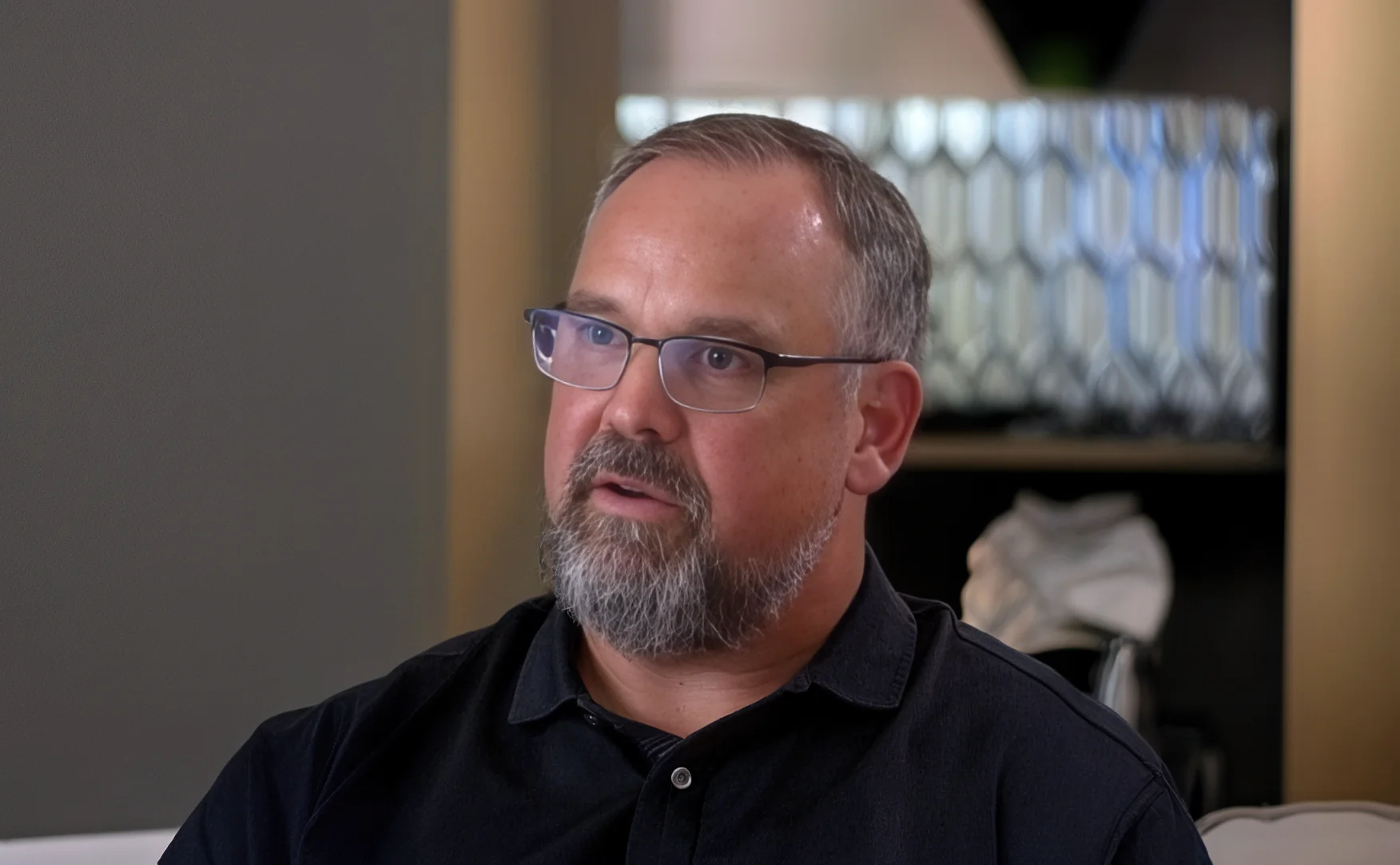
Middle-aged man with glasses and a gray beard wearing a black shirt, seated indoors with a blurred background.

Jack Holcomb

Fountain Life Member
“I thought I was healthy, but Fountain Life found cancer and saved my life.”
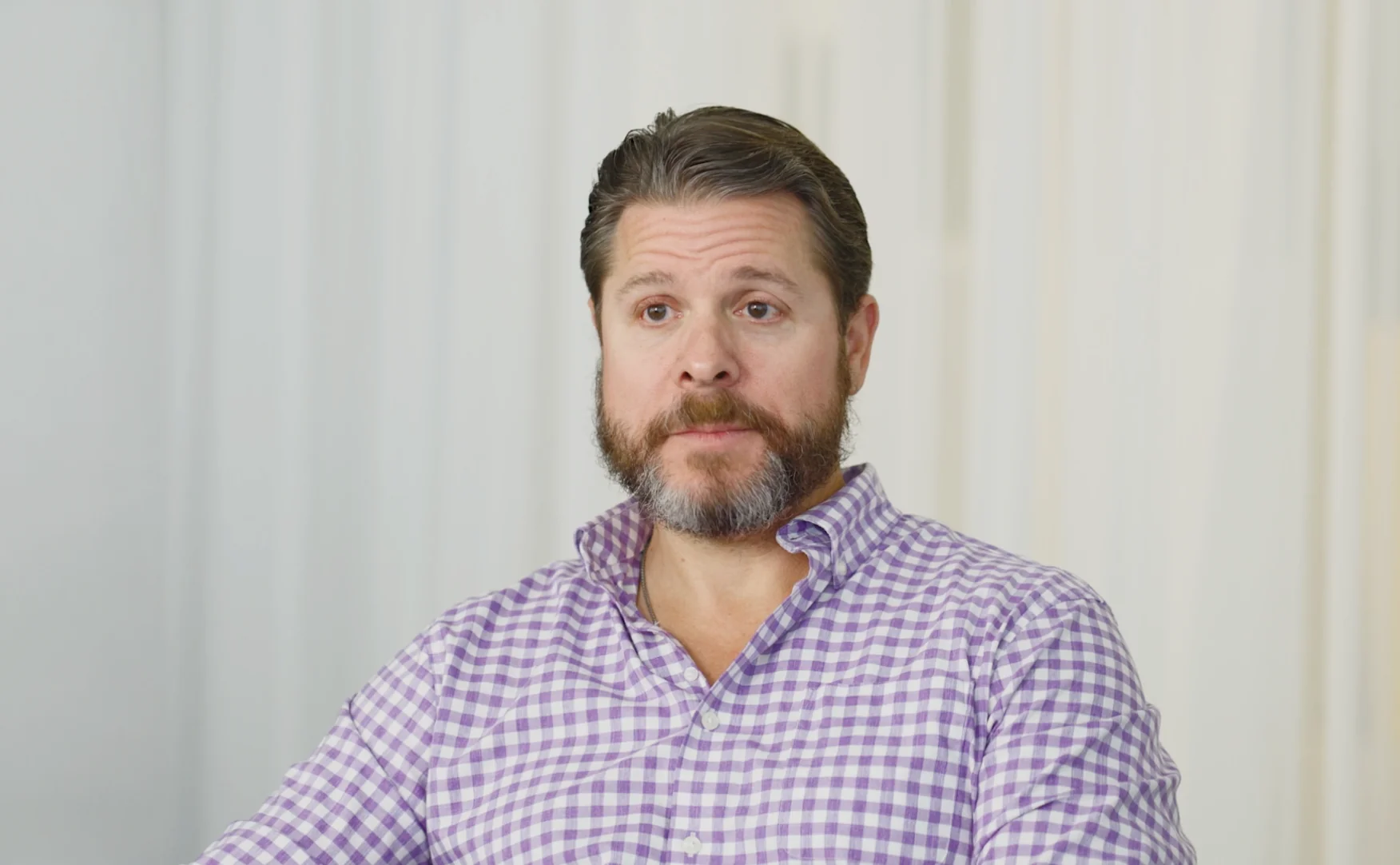
Bearded man in a purple checkered shirt looking slightly to the side against a neutral background.

Mike Bogda

Fountain Life Member
“Fountain Life is one of the best investments we’ve ever made.”
Elderly bald man wearing glasses and a green buttoned t-shirt sitting outdoors with greenery in the background.

Richard Graham

Fountain Life Member
“In my case, there was about six issues all in stage one. In fact, in two years, we have reversed a lot of the age clocks.”

Paul Goelzer

Fountain Life Member
“Catching prostate cancer early changed everything, Fountain Life helped me choose the right treatment, stay healthy, and keep living fully.”

Steve Ogier

Fountain Life Member
“Fountain Life gave me the truth about my health, helped me make better choices, and now I feel better than before I started.”

Jennifer Botting

Fountain Life Member
“Tomorrow isn’t promised, and time is a thief, but Fountain Life gave me answers, strength, and more hope for a longer, healthier life.”
Dark image showing the silhouette of a rounded hill or sphere against a gradient black to deep blue background.
Crystal award plaque with the Roundtable of Longevity Clinics logo, titled Longevity Clinic of the Year 2025.
Winner Best Longevity Clinic of the Year 2025
Winner 2025 Global Tech Awards in the Health Category
Houston Chronicle Logo

Frequently asked questions

What is longevity optimization?

Longevity optimization is a proactive, data-driven approach to extending healthspan by improving the biological systems that influence aging and disease risk. It focuses on measurable inputs and outputs, using precision AI-Guided Diagnostics data to guide interventions that slow decline and improve long-term outcomes

Is longevity optimization scientifically grounded?

Yes. Fountain Life’s 15+ billion longitudinal clinical data points, measurable biomarkers, clinical diagnostics, and evidence-based interventions guide our decision-making. These methods are rooted in preventive medicine, longevity science, and clinical research focused on aging, disease progression, and system optimization.

When should you start focusing on longevity?

Earlier intervention provides the greatest long-term impact. Intervening before decline begins provides the greatest long-term impact. Early intervention allows for the identification and correction of risk factors before they compound, creating a significantly greater opportunity to preserve health and extend performance over time.